reviews_and_ramblings: (Default)
[personal profile] reviews_and_ramblings
 

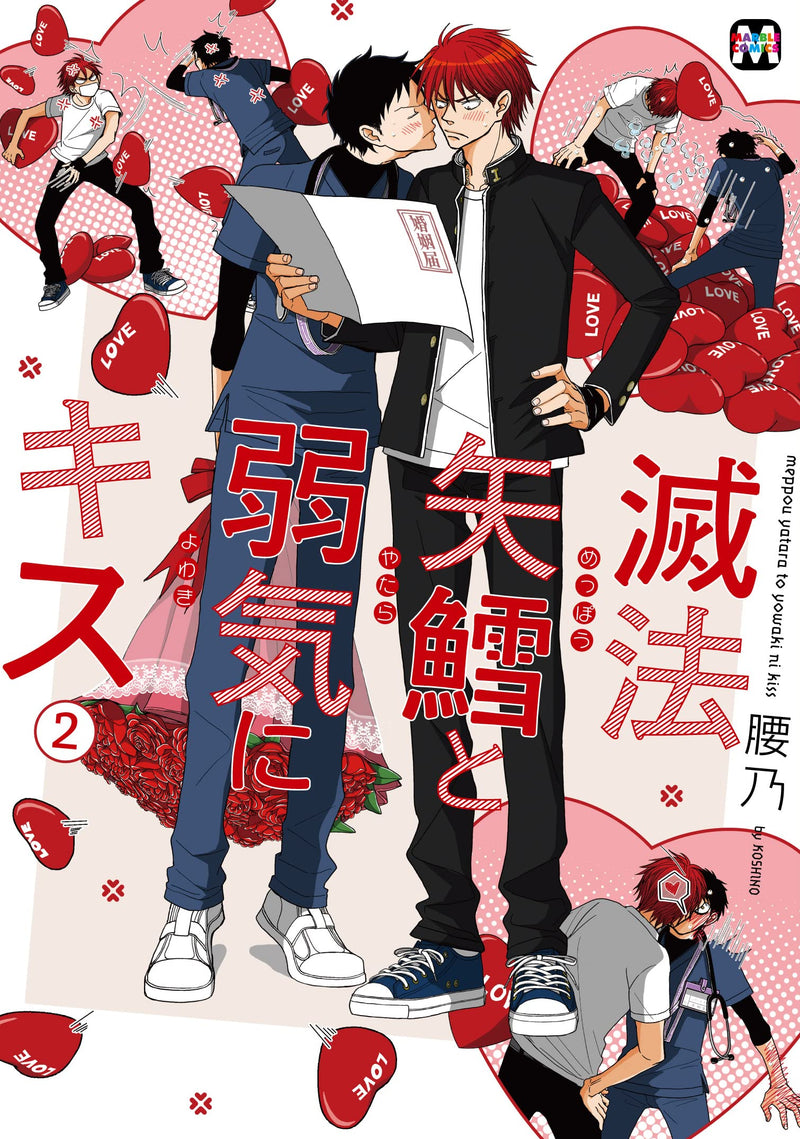
Yokosuka is a high school boy who gets the result of alpha in his secondary gender test. This is a big surprise since his parents are beta, so he is forced to attend the dating party for the marriage interview proposed by the city council. There, he meets many cute omega girls, but will he be able to find a nice girlfriend...?! Motivated by this, Yokosuka decides to undergo the compatibility diagnosis, and the kind of partner who was on the other side of the door with whom he obtained a maximum percentage of 92% was someone rather gruff with a look of unfriendliness that turned out to be... A MAN??!!

My Rate: 8

An Extremely Haphazard and Weak-willed Kiss (Zuborade Ikujinashi na Kiss) by Koshino takes a delightfully chaotic spin on the traditional Omegaverse tropes.
Our protagonist, Yokosuka, is a perfectly average high school boy who expects a perfectly average Beta life. Instead, his secondary gender test throws a massive wrench in his plans: he’s an Alpha. Because his parents are Betas, this sudden genetic jackpot turns his life upside down. Under pressure from a city council eager to pair off premium genes, he attends a mandatory matchmaking party.
Yokosuka is thrilled at the prospect of meeting cute Omega girls and finding a girlfriend. He takes a compatibility test to find his perfect match, boasting a near-flawless 92% compatibility rate. The catch? The door opens, and instead of the sweet, submissive Omega girl of his dreams, he’s face-to-face with a gruff, intensely unfriendly man.
Koshino is famous for injecting humor and realism into highly stylized genres, and this manga is no exception. While many Omegaverse stories lean heavily into intense drama, fated mates, and strict power dynamics, this story thrives on baffled subversion. Yokosuka’s expectation of a traditional, heterosexual Alpha-Omega romance is immediately shattered, forcing him to navigate a dynamic he never anticipated.
The contrast between the two leads drives the entire narrative:
Yokosuka: Slightly lazy, weak-willed, and easily swayed, yet incredibly endearing in his confusion.
The "Mystery Man": Gruff, unapproachable, and seemingly entirely wrong for Yokosuka on paper—despite what the 92% science score says.
The "haphazard and weak-willed" nature of their interactions creates a slow-burn, highly entertaining comedy of errors. Their high compatibility rating forces them into each other's orbits, and the friction between their personalities quickly turns into genuine, begrudging attraction.
Koshino’s art style perfectly complements the comedic and slightly chaotic energy of the plot. Expressions are vivid, exaggerated for comedic effect when Yokosuka panics, yet grounded and expressive during the manga's sweeter, more intimate moments.
A refreshing, hilarious take on a classic genre.
If you are tired of the same old brooding Alphas and fragile Omegas, this manga is a breath of fresh air. It balances the physical attraction inherent to the Omegaverse setting with a genuinely funny, character-driven romantic comedy. It’s lighthearted, a bit messy, and incredibly charming.

reviews_and_ramblings: (Default)
[personal profile] reviews_and_ramblings
 

Two teenage boys barely knowing each other. One day, one learns the other is selling his body to get by. On a whim he runs away with him, but their journey to the sea quickly ends. Then, they reunite years later...

My Rate: 8

I'll Give You Half of Me (Hanbun Ageru) by Arashi Arima is a heavy, deeply poetic, and emotionally bruising standalone Boys' Love manga. If you are going into this expecting a lighthearted, sweet high school romance, you will want to brace yourself—this story tackles devastating, dark themes with an incredible amount of grace, but it does not pull its punches.
The story follows Kurokawa, an ordinary high schooler in Hiroshima who finds himself quietly fascinated by his constantly smiling, enigmatic classmate, Shiraki. The turning point hits hard and fast: Kurokawa runs into Shiraki on the street, fleeing in a blood-stained shirt.
Shiraki drops a horrifying truth—his family forces him into child prostitution to make ends meet, and he just fled a client who turned violently abusive. Spurred by a sudden wave of protective, naive empathy, Kurokawa makes a split-second decision to abandon his own life and run away with Shiraki toward the sea.
Their beautifully fragile, desperate escape is cut brutally short by reality. Years pass before they finally cross paths again as adults, carrying the heavy psychological scars of that unfinished journey.
Arashi Arima handles extremely dark trigger warnings—including child exploitation, abuse, and deep trauma—with immense sensitivity. It avoids feeling cheap or purely exploitative. Instead, it feels quiet, melancholic, and deeply respectful of the characters' pain.
The art style is gorgeous and expressive. Arima contrasts the heartbreaking, dramatic weight of the plot with beautifully soft character designs and, occasionally, deeply endearing chibi moments that provide a vital breath of fresh air for the reader's emotional state.
The adult reunion hits exactly where it hurts. The emotional core of the manga relies on Kurokawa dealing with the guilt of his teenage naivety—how he couldn't fully comprehend or save Shiraki back then—and Shiraki finally realizing that he is allowed to be genuinely, safely loved. The closure they achieve is incredibly therapeutic and provides a truly satisfying happy ending.
Because this is a single-volume one-shot, the pacing in the first act is exceptionally fast. Kurokawa’s sudden choice to abandon his home and several siblings after just one intense conversation with a boy he barely knows can feel slightly abrupt. A few more chapters establishing their initial school dynamic would have made that initial leap of faith feel fully earned.
I'll Give You Half of Me is a masterpiece of a one-shot if you have the emotional bandwidth for it. It is a story about sharing the weight of trauma when the world asks too much of a single person.
Read it if you love deep angst, intense psychological bonds, emotional slow-burn logic wrapped in a fast pace, and meaningful, hard-earned happy endings.
reviews_and_ramblings: (Default)
[personal profile] reviews_and_ramblings
 

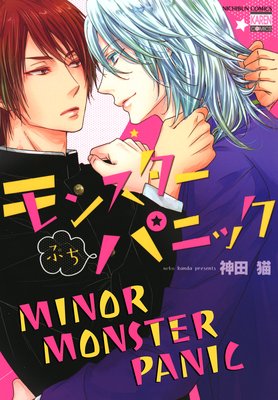
Kojiro Suzuki (Protector: Ifrid) belongs to the Discipline Monitoring Committee of a high school for kids who have a stronger than normal "Divine Protection." He works hard every day to clear all sorts of trouble. On top of that, he's constantly pursued by the stunningly beautiful D.M.C. Chairman Lauri Asagiri (Protector: Leviathan)...! This is a "metamorphosis love battle" between a super beautiful and feminine top and a stone-faced, handsome bottom with a dark past, unfolding in a fantasy-style high school!!
*Let me explain! Divine Protection is a power all humans possess since birth. There are various kinds of protection, based on the original protector and their powers: angels, demons, holy beasts, demon beasts, spirits, and so on. Individual power is generally low, but in some rare cases there are people with strong Divine Protection...

My Rate: 8 (www.ebookrenta.com/renta/sc/frm/item/138675)

If you are tired of the same old cookie-cutter BL dynamics and want a supernatural high school story that doesn't take itself too seriously, Minor Monster Panic is a refreshing, chaotic delight. Neko Kanda delivers a fast-paced "metamorphosis love battle" that balances flashy mythical powers with a highly entertaining romantic power struggle.
The absolute selling point of this manga is the relationship dynamic between the two leads. Kanda takes traditional BL archetypes and shuffles them like a deck of cards:
Lauri Asagiri (The Top): The stunningly beautiful, feminine, and utterly obsessed D.M.C. Chairman. Powered by Leviathan, he is as dangerous as he is gorgeous, relentlessly pursuing Kojiro with zero shame.
Kojiro Suzuki (The Bottom): The stone-faced, stoic, and masculine disciplinary officer. Powered by Ifrid, he is trying to outrun a dark past while keeping the school in order and fending off Lauri's aggressive advances.
Seeing a hyper-feminine, gorgeous character take the aggressive "top" role against a rugged, stoic "bottom" provides a fantastic spark. Their interactions are a literal and figurative battle of wills and powers.
The "Divine Protection" magic system adds a fun, shonen-esque layer to the romance. Because the school is packed with kids who hold unusually high-tier protections (ranging from angels to holy beasts), the "Discipline Monitoring Committee" isn't just handing out hall passes—they are breaking up supernatural brawls.
The contrast between Kojiro’s fiery Ifrid abilities and Lauri’s watery, monstrous Leviathan powers makes for great visual storytelling, especially during their "metamorphosis" battles.
Neko Kanda’s art style excels at capturing both ends of the spectrum: the comedy is sharp and expressive, while the action sequences and character designs are sleek and attractive. Lauri’s ethereal beauty stands out in stark contrast to Kojiro’s sharp, grounded demeanor. The pacing is brisk, leaning heavily into the "panic" of the title.
Minor Monster Panic is an absolute blast for readers looking for a supernatural BL with teeth, humor, and a genuinely fun twist on character dynamics. It’s a quick, energetic read that proves love really is a battlefield—especially when mythological monsters are involved.
reviews_and_ramblings: (Default)
[personal profile] reviews_and_ramblings
 

The next day after a day of drinking alone, Kimura woke up in an unfamiliar house. The owner of the house, Kunishima, is said to be the one who took care of Kimura when he collapsed in a drunken stupor. He tries to leave immediately, but the calmness of Kunishima and the warm atmosphere of the house puts his mind at ease... This is a clumsy and endearing love story of adults, spun by a gentle and simple researcher and a serious and sensitive salesman.

My Rate: 8

If you are tired of high-drama, toxic misunderstandings, or chaotic plotlines, Mata Ashita Aeru yo is the literary equivalent of a warm cup of tea on a rainy afternoon. Yuko Soujima crafts a beautifully grounded, domestic romance that captures the exact moment two lonely adults find a safe harbor in each other.
Waking up in a stranger's house after a night of heavy drinking is a classic romance trope, but Soujima subverts the usual panic. Instead of awkward chaos, we are introduced to an immediate sense of safety. Kunishima’s calm demeanor acts as an instant anchor for both Kimura and the reader.
Opposites Attract, Maturely:
Kimura is a serious, sensitive salesman—a role that implies he spends his days masking his true feelings, dealing with high stress, and exhausting his social battery.
Kunishima, the gentle and simple researcher, exists in a completely different world. He provides a quiet, unpretentious environment where Kimura doesn't have to "sell" himself or perform.
There is something incredibly endearing about watching two grown men be clumsy about love. They know how to navigate the professional world, but when it comes to their own hearts, they are hesitant and vulnerable. It makes their progression feel earned, tender, and deeply relatable.
The title itself, See You Again Tomorrow, perfectly encapsulates the vibe of the manga. It’s about the comfort of routine, the warmth of a shared home, and the simple joy of looking forward to the next day with someone. Soujima’s storytelling excels at capturing small, quiet moments—the sound of a kitchen, the ease of a comfortable silence, and the gradual melting of armor around a weary heart.
Highly Recommended For fans of slice-of-life, domestic BL, healing romances (iyashikei), and stories featuring working adults with realistic emotional depth.
Mata Ashita Aeru yo doesn't rely on flashy gimmicks; it relies on the sweet, simple chemistry of two gentle souls finding exactly what they were missing. It’s a lovely, comforting read that will leave you with a soft smile.
A perfect, heartwarming escape.
reviews_and_ramblings: (Default)
[personal profile] reviews_and_ramblings
 

An ASMR streamer is ready to give up streaming until one of his fans makes a shocking confession! A Boys' Love romance that gives a whole new meaning to fanservice.

Karasuma Koudai is an introverted university student who streams spicy ASMR roleplays once or twice a week. His view counts haven't been increasing as of late, though, so he's been thinking of quitting. Then he discovers that the cheerful and popular Minami Masaya--his polar opposite--is an avid listener who actively chats during his streams. Even more shocking is Minami's red-faced admission that he used Karasuma's ASMRs for his own self pleasure, "I can't come without your voice..."
Karasuma is so surprised that he offers to help without thinking. At first, he feels a sense of superiority from seeing Minami's lurid reactions to his voice, but he gradually finds that talking isn't enough--he grows to like Minami and wants to touch him gently.

My Rate: 8 (amzn.to/4uxaWau)

Coco Aino’s He Craves to be Teased by His Favorite ASMR Streamer takes the modern "online persona vs. real life" trope and injects it with high-fructose romance and plenty of steam. It’s a fast-paced, high-heat Boys' Love manga that successfully turns an awkward, highly specific confession into a sweet and surprisingly earnest love story.
Karasuma Koudai is an introverted college student secretly moonlightling as a "spicy" ASMR roleplay streamer. Ready to throw in the towel due to stagnant view counts, his world is flipped upside down when he realizes Minami Masaya—the college's resident popular golden retriever boy—is actually his #1 fan.
Things go from 0 to 100 when Minami drops a bombshell: he can't "finish" without Karasuma's voice. Caught off guard and riding a sudden wave of ego and curiosity, Karasuma offers to help him out. What starts as a vocal experiment quickly spirals into genuine physical and emotional attraction.
The classic "opposites attract" dynamic works beautifully here.
Karasuma is guarded and insecure about his hobby, but when he gets behind the microphone (or gets Minami alone), a more dominant, teasing side emerges.
Minami, despite being the popular guy on campus, turns into a blushing, entirely defenseless mess the second Karasuma speaks in his "streaming voice."
The power dynamic shift—where the quiet guy holds all the cards over the popular guy—is incredibly satisfying and handled with a great balance of humor and heat.
This manga does not skimp on the spice. It delivers exactly what the title promises.
Because it originates from a confession about self-pleasure, the manga jumps into the physical aspect of their relationship fairly quickly. However, Coco Aino manages to keep it from feeling hollow. The transition from Karasuma feeling a petty "sense of superiority" to genuinely wanting to hold and cherish Minami is handled with surprising warmth.
Aino’s art style is clean, expressive, and highly effective at conveying the "sensory" nature of ASMR.
The character designs are distinct and appealing.
The panels utilize heavy blushing, sweat, and expressive eye contact to emphasize the auditory pleasure Minami feels, making the reader practically "hear" the tension.
If you enjoy BL mangas with mild dirty talk, praise kink elements, and a needy, blushing bottom, this is a must-read. It’s a quick, indulgent, and deeply satisfying romance that gives a whole new, literal meaning to the concept of "fanservice."

reviews_and_ramblings: (Default)
[personal profile] reviews_and_ramblings
 

At his favorite gay bar, Yamato is shown by Takane a gonzo video on social media. The wild top in the video, a guy called Jin, is highly praised by Takane and Yamato, who is known in the area as a handsome prince-like top, is naturally interested in him. Yamato easily spots him in the bar-restaurant that Jin runs, and in the course of the conversation, Yamato asks him to teach the bed techniques. How does he make bottom guys so satisfied? But in order to be taught, he has to act like a bottom... and Yamato seems to be opening up his mind as well as his body. But Jin has been announcing that he sleeps with someone only once to avoid messing around. While two guys are getting closer and closer, Yamato becomes afraid of having their real first affair...

My Rate: 8 (www.ebookrenta.com/renta/sc/frm/item/146606/)

Nannan delivers a deliciously high-stakes "top x top" dynamic that quickly evolves into a lesson in vulnerability. Yamato is a character used to being in control—he’s the "handsome prince-like top" of his local scene, comfortable in his dominance. The catalyst for the story is pure curiosity mixed with a bruise to his ego: seeing Jin, a "wild top," receive high praise on social media. What starts as an infiltration mission to learn Jin's secret bedroom techniques quickly turns into a classic "fake it til you make it" scenario. The catch? To learn the secrets of a master top, Yamato has to experience them firsthand as a bottom. The chemistry between Yamato and Jin thrives on power play and shifting boundaries: Yamato's journey is the emotional core of the manga. Watching a confident top slowly unlearn his instinct to control and instead "open up his mind as well as his body" provides excellent tension. His growing fear of having a "real first affair" introduces a sweet, vulnerable anxiety to an otherwise high-friction romance. Jin is a fascinating foil. He embodies a raw, "gonzo" energy on camera, but runs a structured life as a bar-restaurant owner with a strict personal rule: he only sleeps with someone once. This rule injects immediate stakes into the narrative. Jin’s rule creates a brilliant psychological barrier. Usually, in BL, the physical act brings characters together. Here, Yamato is terrified of the physical culmination because, according to Jin's rules, the "second time" doesn't exist. It forces the characters to build emotional intimacy before completely crossing the line. Nannan’s art perfectly captures the contrast between the gritty, sensual atmosphere of the nightlife/social media world and the soft, internal panics of Yamato. The expressions during the "training" sessions do a great job of conveying Yamato's internal shift from pride to pleasure. Second Time’s the Charm is a fantastic read for fans of reversible roles, prideful characters getting tamed, and high-tension emotional stakes. It subverts the typical top/bottom tropes by making the physical exploration a gateway to genuine emotional vulnerability.

Ao to Midori by Roji

23 May 2026 09:52
reviews_and_ramblings: (Default)
[personal profile] reviews_and_ramblings
 

"For 8 years, I wished for a morning like this."

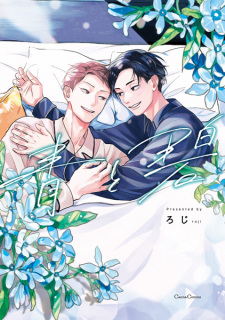
First place in midterms, winner in the relay. For academic-and-sports genius Ao, this is the first time he's wanted something from the bottom of his heart. And that was Midori, always second place, who saw himself as his rival. He can't control his love for him, and when he sees Midori, he's so happy that he can't help but run up to him. But, afraid to ruin their relationship, he carries the pain and longs for him late at night..."I want the first thing I see when I wake up to be your eyelashes."

My Rate: 8

Ao to Midori (Blue and Green) by Roji takes a classic, beloved trope—the effortless genius paired with the hard-working second-place rival—and infuses it with an intense, beautifully painful yearning. If you are a fan of high-stakes emotional tension, academic/sports rivalries, and the agonizing fear of ruining a friendship by crossing the line, this Boys' Love manga is an absolute must-read. For Ao, winning is a passive state of being. He takes first place in exams, wins the relay, and glides through life with the kind of effortless perfection that usually alienates others. But perfection breeds boredom—until Midori enters the picture. Midori is the perpetual second place. He views Ao not as an idol, but as a wall to be climbed, a rival to be defeated. Ironically, this fierce, hyper-focused attention from Midori is exactly what captures Ao’s heart. For the first time in his life, Ao desperately wants something he can't just easily win. Roji brilliantly captures the duality of Ao's feelings. On the outside, he's a puppy-dog in love—unable to control his joy, literally running up to Midori whenever he sees him. But on the inside, the manga shifts into a much darker, heavier tone. By day, they have a sparkling, competitive dynamic. By night, Ao is consumed by a bittersweet, almost suffocating longing. Ao knows that Midori’s obsession with him is purely competitive. If Ao confesses, he risks destroying the only thread connecting them. He chooses to carry the emotional pain in secret rather than lose Midori entirely. "I want the first thing I see when I wake up to be your eyelashes." This line perfectly encapsulates the core of the manga. It's poetic, deeply intimate, and highlights just how desperately Ao craves a quiet, domestic reality with someone who currently only sees him on a battlefield. The contrast between Ao's overwhelming internal passion and Midori's oblivious, fiery determination creates incredible narrative friction. Roji's art excels at capturing subtle shifts in expression—the micro-expressions of pain Ao hides behind a smile, and the raw intensity in Midori’s eyes. The story masterfully balances the lighthearted comedy of high school life with the heavy, late-night angst of unrequited (or seemingly unrequited) love. Ao to Midori is a masterclass in "the person who has everything wanting the one thing they might never have." It manages to feel incredibly tender while maintaining a sharp, angsty edge that will keep you flipping pages late into the night. Highly recommended for anyone who loves deep character psychology, competitive tension, and top-tier yearning.
reviews_and_ramblings: (Default)
[personal profile] reviews_and_ramblings
 

Alloy uses magic to support the nation's lifeline and is the active leader of the operational department. With his beauty and friendly personality, he does not take advantage of his noble lineage and is adored by everyone around him. On the other hand, Mikado, a poker-faced workaholic seems to not get along with Alloy like everyone else. They are on opposite wavelengths, but the two are actually in a secret relationship?

My Rate: 8

Guri Nojiro’s manga delivers a unique blend of modern "office politics" anxiety wrapped up in a fantasy world of magical realism. Alloy is the classic "yearning seme" (dominant partner)—subtly supporting the nation, beloved by all, but deeply fixated on just one person. Mikado plays the perfect "tough uke" (submissive partner). He is a poker-faced, blank-faced workaholic who appears completely indifferent on the outside, but underneath that strict exterior, there is immense emotional depth and vulnerability. The narrative thrives on the dramatic irony of their daily lives. To their coworkers, they look like they operate on completely opposite wavelengths and barely tolerate each other. In secret, however, every accidental touch, lingering glance, or professional disagreement is charged with hidden tension because they are already deeply involved. Instead of a standard corporate office, the fantasy element elevates the stakes. Alloy’s magic is literal "lifeline" work for the nation, which means his professional responsibilities carry massive weight. Balancing high-stakes magical duties with the emotional vulnerabilities of keeping a relationship hidden creates a great, slow-building heat. Guri Nojiro is known for a gorgeous, delicate art style. The manga utilizes soft hues and intricate line work that heavily focus on character expressions. Because Mikado is so "poker-faced," the artwork relies on subtle physical shifts—a slight change in eye direction, the tension in a hand hold, or a sudden flush of color—to communicate what he is actually feeling. It lets the intimacy feel deeply impactful without needing to rush straight into over-the-top explicit scenes right away. If you enjoy stories with competent, hard-working professionals, secret relationship tropes, and a dash of fantasy world-building, it is a beautifully paced romance that focuses heavily on emotional authenticity and mutual support.
reviews_and_ramblings: (Default)
[personal profile] reviews_and_ramblings


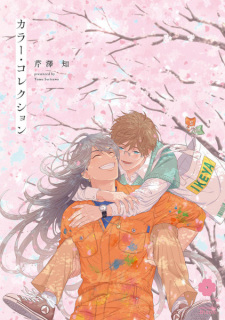
Kii Saiki is enrolled in the graphics course at an art university and he's been feeling anxious because he's not been doing too well with his assignments. That's when Souta Amano, a senior from the sculpture course, suddenly called out to him telling him, "Hey, you're cute." Ever since then, Amano started to appear more often in front of him and though Saiki was initially dumbfounded by this, he eventually...?

This is an omnibus of youthful love stories all set in an art university.

My Rate: 8

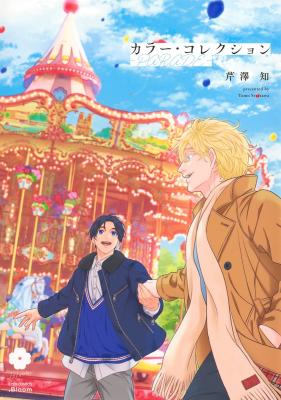
This duology is a hidden gem for fans of slice-of-life Boys' Love (BL) who appreciate beautiful art, realistic emotional pacing, and the unique, slightly chaotic energy of art university students. The story follows Kii Saiki, a relatable, anxious freshman enrolled in the highly competitive graphics course at an art university. Stuck in a creative rut and drowning in imposter syndrome over his lackluster assignments, Saiki’s world is upended by Souta Amano. Amano is a chaotic, wildly talented senior from the sculpture course who marches to the beat of his own drum. His first words to Saiki? A blunt, unfiltered, "Hey, you're cute." Initially dumbfounded and deeply skeptical of this eccentric upperclassman who keeps invading his personal space, Saiki begins to let his guard down. As they spend more time together, Saiki finds that Amano’s vibrant, unapologetic approach to life and art might be exactly the spark he needs to find his own color. What makes Color Collection stand out is the brilliant contrast between the two leads: Saiki represents the grounded, anxious reality of many art students—overthinking, comparing himself to others, and feeling paralyzed by a blank canvas. Amano is the catalyst. He isn't just a love interest; he is an artistic force. He works with his hands, deals with heavy materials, and lives loudly. The progression from Saiki being utterly bewildered to genuinely seeking out Amano's presence is handled with a lovely, organic pacing. Amano doesn't just push Saiki into romance; he pushes him to trust his own artistic instincts. Tomo Serizawa’s artwork is gorgeous and perfectly suited for a manga set in an art school. The character designs are distinct, and Serizawa excels at drawing hands and physical spaces (the cluttered, messy look of an art studio feels incredibly authentic). The manga masterfully uses black-and-white tones to convey the feeling of "color" and inspiration, making the emotional breakthroughs feel visually impactful. Where the first volume focuses on the thrill of falling in love and breaking through academic anxiety, the sequel, Parade, dives into the realities of a functioning relationship and the looming threat of the future. It tackles the bittersweet reality of a senior graduating while the junior is left behind to finish their degree. It elevates the manga from a simple "campus romance" to a mature look at how two creative individuals balance their personal ambitions with their devotion to each other. While Saiki and Amano are the primary couple anchoring the main plot, Takagi and Mikhail’s relationship serves as an important, deeply moving parallel narrative about inspiration, vulnerability, and devotion. Takagi initially starts out listless—he has lost interest in his art studies, broken up with his girlfriend, and feels completely adrift. His entire trajectory changes when he becomes utterly spellbound by the otherworldly beauty of Mikhail, who works as an art model at the university. By the events of Color Collection Parade: Their relationship evolves from an intense, almost distant obsession into a deeply grounded, mutual love. Takagi stops viewing Mikhail just as a fleeting visual inspiration or an unreachable concept, learning to love the vulnerable, real person underneath. Like the main couple, they face the transitional anxieties of university life, but they actively choose to stay by each other's side. Serizawa gives them a genuinely sweet, happy, and secure ending, solidifying them as a beloved secondary couple who find their own version of "color" together. It is a fantastic contrast to the main couple, ensuring both pairs get the emotional closure and romantic stability they deserve by the final pages of the duology. Color Collection and Color Collection Parade offer a comforting, deeply resonant story about finding your voice—both in art and in love. It avoids heavy, toxic drama in favor of genuine communication, mutual respect, and a healthy dose of charm. Best Suited For: Fans of soft, slow-burn, slice-of-life BL. Anyone who loves college/university settings over high school tropes. Artists who will deeply relate to the struggles of creative burnout and imposter syndrome.
reviews_and_ramblings: (Default)
[personal profile] reviews_and_ramblings
 

Taking place in the future, research on male pregnancy is underway to halt the decline in population. Nagisa Fuyumi, who had been forced to become a test subject even though he did not wish to become pregnant, has lived in the institute for five years without ever becoming pregnant. While living in his new, lousy life, he meets his childhood friend, Hayato Hinozaki, who he once admired and fell in love with, but now they're meeting each other as a test subject and a researcher...?

My Rate: 7

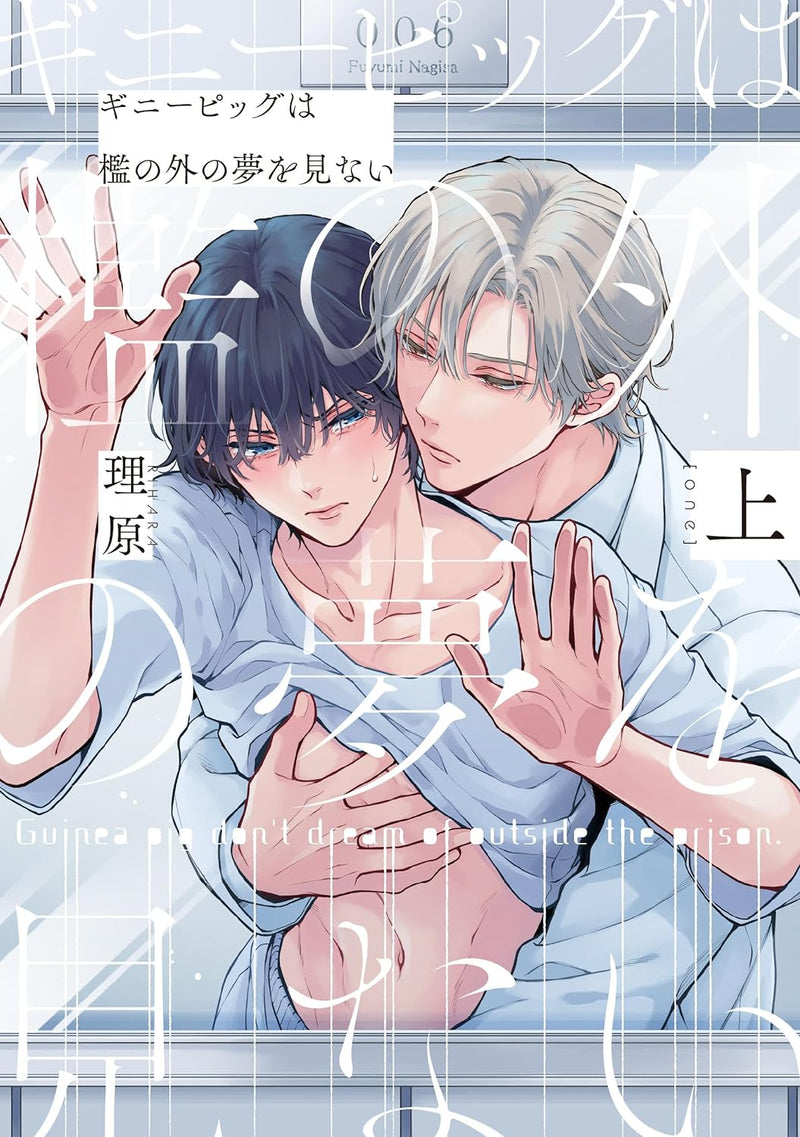
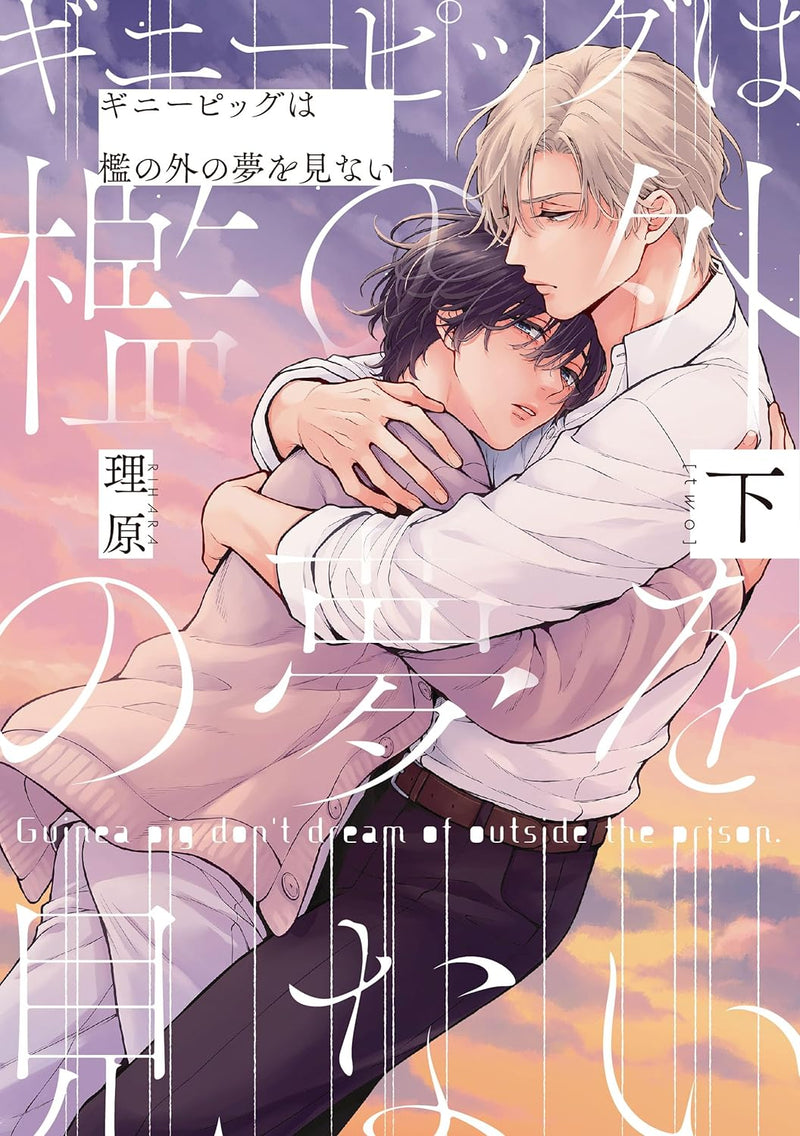
If you are looking for a fluffy, lighthearted Boy's Love manga, turn back now. Rihara’s Guinea Pig Don't Dream of Outside the Prison takes the well-worn BL trope of male pregnancy (mpreg) and strips away the usual romanticized fantasy. Instead, it reframes the concept through a dark, dystopian sci-fi lens, delivering a story heavy on psychological trauma, power dynamics, and a desperate, deeply complicated love. The story is set in a bleak future where humanity is facing extinction due to a plunging birthrate. The government's solution? A mandatory, highly clinical male pregnancy research initiative. Our protagonist, Nagisa Fuyumi, has been stripped of his autonomy and trapped in a research facility for five grueling years. Considered a "failure" or a stubborn "guinea pig" because his body hasn't taken to the experiments, Nagisa has succumbed to apathy just to survive. The catalyst for the story arrives in the form of Hayato Hinozaki—Nagisa’s childhood friend, former idol, and first love. But Hayato isn't there to rescue him. He walks into the room wearing a lab coat. The boy Nagisa once admired is now his researcher, holding all the power over his captive body. While many "Omegaverse" or male pregnancy stories focus on the domestic bliss or destined bond of the couple, Rihara focuses entirely on the horror of lost autonomy. The clinical setting is sterile, cold, and unforgiving. Pregnancy isn't a symbol of love here; it is a state-mandated duty enforced through cage-like isolation. The core tension of the manga relies on the shifting sands between Nagisa and Hayato. Nagisa is broken, resentful, yet tragically still harbors feelings for the boy Hayato used to be. Hayato is an enigma at first. Is he a cold-hearted scientist using his childhood friend for data, or is there a deeper, more desperate motive behind his presence in the facility? Their interactions are fraught with angst, miscommunication, and a deeply blurred line between consent and coercion, given their prisoner-researcher dynamic. Rihara’s art style perfectly complements the heavy narrative. The character designs are expressive, capturing Nagisa’s hollow despair and Hayato’s unreadable, sharp glances. The panel layouts emphasize the claustrophobia of the institute, making the reader feel just as trapped as the protagonist. Guinea Pig Don't Dream of Outside the Prison is a gripping, emotional rollercoaster that excels in psychological tension. It handles its heavy themes with a raw intensity that will keep you turning the pages, even when the subject matter gets uncomfortable. Recommended for fans of dark sci-fi BL, childhood-friends-to-enemies-to-lovers (or somewhere in between), heavy angst, and stories that question morality and survival. Trigger Warnings: Forced captivity, non-consensual medical experimentation, psychological abuse, and dubious consent.
reviews_and_ramblings: (Default)
[personal profile] reviews_and_ramblings
 

Iori, a highschool student, fantasizes about being held by handsome men. His stepbrother, Ayato, has a face that's just his type. Though he spends his days masturbating with his stepbrother in mind, he tries to stay away from Ayato, as he becomes overcome with lust whenever he smells Ayato's scent, or sees his cold gaze. Just when Iori is trying to prevent himself from getting carried away, thinking "I have to stop this," he discovers Ayato, who has brought a guy into his room...

My Rate: 7

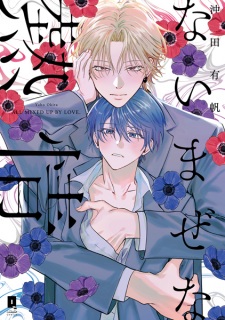
Yuuho Okita’s "Naimaze na Netsujou" (/ Muddled Passion) is a textbook example of a high-friction, high-heat stepbrother romance. Published by Overlap under their LiQulle label, it delivers exactly what fans of the "heavy psychological attachment" trope look for: intense eye contact, massive height differences, and complex family dynamics. The story balances on a fine edge between Iori’s internal guilt and Ayato’s external coldness. What makes the inciting incident work so well is how it upends Iori’s expectations: Iori thinks he is the one with the dirty secret, guiltily projecting his desires onto his stepbrother. Ayato bringing another man into his room isn't just a random act—it functions as a direct trap. When Ayato confronts Iori with the line, "You want to be held by a handsome guy, right, big bro?", the dynamic completely flips. Iori realizes he isn't the predator hiding in the shadows; he is the prey being actively cornered. Okita’s art style carries the emotional weight of the book. Ayato is drawn with incredibly sharp, piercing eyes that emphasize his dominant, "alpha" presence. The manga relies heavily on physical contrasts—the visible size and build difference between the brothers heightens the tension during their encounters. While it starts under the guise of a convenient arrangement (a friends-with-benefits setup to hide behind), the narrative quickly shifts into mutual obsession. It becomes clear that Ayato's cold shoulder in the past wasn't dislike, but rather a mask for his own heavy, deep-seated feelings toward Iori. The story doesn't just stay in the bedroom. It steadily unravels why the brothers grew apart in the first place, teasing past family secrets and childhood letters that explain Ayato's current behavior. This manga features themes of stepfamily incest, highly possessive behaviors (bordering on yandere), and an initial relationship dynamic built on manipulation. Iori is incredibly weak to Ayato’s face. If you prefer protagonists who put up a strong defensive fight, Iori’s quick surrender to his own lust might feel a bit frustrating. He is entirely driven by his physical attraction to his brother. The emotional tone is thick and heavy. The angst stems from the classic BL paradox: using physical intimacy as a substitute for communication while both leads hide their real feelings. "Naimaze na Netsujou" handles the forbidden stepbrother trope with beautiful artwork and a solid emotional payoff in its final chapters. It avoids being purely episodic by tying the physical relationship directly to the resolution of their childhood trauma. For readers who enjoy intense, slightly toxic mutual pining wrapped in gorgeous visuals, this single-volume work delivers a satisfying punch.
reviews_and_ramblings: (Default)
[personal profile] reviews_and_ramblings


Eisei, who had been confessed to by his childhood friend and neighbor Tsukio when they were kids, rejected him, and they've been distant ever since.

One night, while he's skipping school after being publicly teased by his ex about being bad at sex, sinking into negative thoughts alone, he reunites with Tsukio in front of his house as he's kissing an older woman.

Under the promise of helping him get back to school, he starts hanging out in Tsukio's room, spending time as if the past confession never happened, and little by little, his wounded heart begins to heal――...

In the midst of that, when he sees a message from an unknown older woman on Tsukio's phone, and despite supposedly liking him, he prioritizes the contact—Eisei tells him that if he doesn't want to be hated, he should teach him techniques since he's bad at sex. His kind attitude suddenly changes, and he's tossed about by Tsukio's teasing yet pleasurable sex――?

My Rate: 7

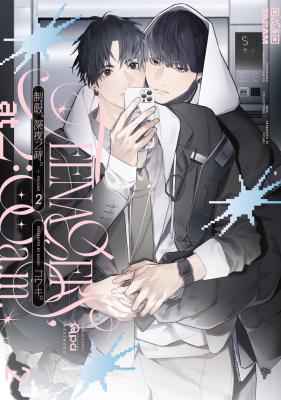
If you are a fan of childhood-friends-to-lovers stories wrapped in angst, hidden pining, and sudden relationship dynamic shifts, Seifuku, Shinya 2-ji hits all the right notes. The story follows Eisei, who is at an absolute rock bottom. Not only is he skipping school out of pure humiliation after his ex-girlfriend publicly mocked his sexual performance, but his emotional isolation is compounded by a years-long estrangement from his childhood friend and neighbor, Tsukio. When they finally cross paths again, it’s under the most jarring circumstances: Eisei witnesses Tsukio kissing an older woman. What starts as an awkward attempt to bridge the gap—with Tsukio helping Eisei return to school—quickly spirals into a tense, emotionally charged arrangement. When Eisei's jealousy and insecurity boil over, he makes a reckless proposition: Teach me how to be good at sex. One of the most compelling aspects of Kouki's writing in this volume is the duality of Tsukio. For the first half of the story, Tsukio plays the role of the patient, comforting childhood friend. However, the moment Eisei pushes his buttons by asking for "lessons" (while assuming Tsukio is just casually fooling around with older women), Tsukio’s mask drops. The transition from gentle caretaker to a dominant, slightly teasing, and intensely passionate lover creates fantastic romantic tension. Eisei’s character motivation is deeply rooted in a wounded ego and a fear of rejection. The manga handles his negativity realistically—he isn't just upset about a breakup; his entire self-worth has taken a hit. Spending time in Tsukio’s room initially acts as a safe haven, making the eventual shift into a sexual relationship feel high-stakes and emotionally raw. The driving force of the plot is the lack of honest communication. Tsukio has clearly harbored feelings for Eisei ever since the childhood rejection, adapting his lifestyle and persona around that boundary. Eisei, blinded by his own insecurities and the sight of the older woman, misreads Tsukio's actions entirely, leading to a volatile mix of jealousy and desire. Kouki’s art style is clean, expressive, and excels at capturing subtle shifts in facial expressions—particularly the contrast between Tsukio’s polite "everyday" face and his intense, dark expressions during their intimate moments. The intimacy in this manga is high-friction and heavy on the sensory details. Because it stems from Tsukio's pent-up frustration and Eisei's desperate need validation, the sex scenes are intense, beautifully drawn, and highly satisfying for readers who enjoy a bit of a "mean/teasing" edge to their love interests. Recommended for readers who love childhood friends reunited, hurt/comfort dynamics, dynamic shifts in bed, and a healthy dose of jealousy-driven angst. If you want a quick, high-heat read with genuine emotional backing, this one is definitely worth adding to your digital shelf.

reviews_and_ramblings: (Default)
[personal profile] reviews_and_ramblings
 

Obnoxious drunk and self-proclaimed life of the party Kuniaki Sako is a typical college student with more free time and energy than he knows what to do with. That is, until he gets picked up by the angelic Sho Shioya, who teaches him a whole new world of sensation.
After a bunch of twists and turns, the pair become a happy couple.
When Kuniaki tells his best friend, Nan, the news, she tells him that if he's going to date Sho, he needs to learn to act like a human... And, that means learning self-awareness and responsibility.
Can Kuniaki, the infamously "cute drunk" (according to Sho), really manage to do that...!?

Includes: A "first time" involving squid, a blood-spattered bathtub, a mysterious pair of ladies' shoes... A cardboard chest of drawers, an inexplicable sliminess, a forbidden drain... And, something Sho's been waiting for all this time: his first staydate with Kuniaki!!

Follow the antics of boyfriends Sho and Kuniaki, and their happy-go-lucky college friends, in this new nonstop action-packed romantic comedy series!!

My Rate: 7 (www.ebookrenta.com/renta/sc/frm/item/147339)

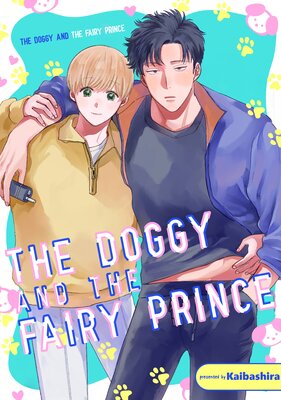
If you are tired of the same old formulaic college romance BLs and want something that violently oscillates between laugh-out-loud absurdity and genuinely sweet relationship growth, The Doggy And The Fairy Prince! by Kaibashira is an absolute must-read. At first glance, Kuniaki and Sho seem like the ultimate "opposites attract" trope: Kuniaki Sako, a chaotic, high-energy college student who lives to party, gets obnoxiously drunk, and has the impulse control of an overexcited puppy (hence the "Doggy" in the title). Sho Shioya, The "Fairy Prince" himself—angelic, patient, and completely captivated by Kuniaki’s absolute mess of a personality. What makes this volume so fun is that it skips past the initial "will-they-won't-they" angst and dives straight into the reality of them actually being a couple. The comedy hits its stride when Kuniaki’s best friend, Nan, delivers a brutal reality check: if Kuniaki wants to keep his angelic boyfriend, he needs to learn how to act like a functioning human being. Don't let the sweet title fool you; Kaibashira weaves a delightfully bizarre web of chaotic elements into this story. The synopsis promises a wild ride, and the manga absolutely delivers. Without spoiling the context, you can look forward to: An incredibly unconventional "first time" involving... squid? A crime-scene-worthy blood-spattered bathtub. An apartment mystery featuring a cardboard chest of drawers, a forbidden drain, and inexplicable sliminess. While these elements sound like they belong in a horror or thriller manga, Kaibashira masterfully spins them into high-octane romantic comedy. The "nonstop action" isn't explosions or fight scenes—it's the sheer momentum of Kuniaki trying to survive his own lack of self-awareness during his very first official staydate with Sho. Kaibashira’s art style perfectly matches the tone of the book. The expressions are incredibly expressive, transitioning seamlessly from beautiful, soft romance frames (usually reserved for Sho) to hilarious, exaggerated comedic faces (mostly Kuniaki panicking). The supporting cast, particularly Nan, adds a great layer of grounded humor to balance out Kuniaki’s chaotic energy. The Doggy And The Fairy Prince! is a refreshing, fast-paced, and deeply funny BL. Underneath the squid-infused chaos and the apartment mysteries, it’s a genuinely heartwarming story about a chaotic guy trying his absolute best to grow up and be responsible for the person he loves. Recommended for fans of chaotic comedy BL, established-relationship dynamics, energetic "himbo" protagonists, and readers who love a healthy dose of weirdness mixed into their romance.
reviews_and_ramblings: (Default)
[personal profile] reviews_and_ramblings
 

Sex toy producer employee, Aoi (a huge slut) keeps getting dumped by his boyfriends because he has a bottomless libido and asks for sex every day. One day, Aoi is drowning his sorrows with alcohol at a bar he frequents. He hopes to fulfil the desires of his broken heart through a dating site, but ends up falling asleep. He mistakenly thinks the waiter who comes to wake him, university student Iori, is the partner who matched with him and invites him to have sex. When Aoi wakes up, he is faced with the waiter from yesterday, a huge pile of used condoms, and a comfortable discomfort in his butthole... Is this the "non-stop cumming like crazy" experience he's always dreamed of?!

My Rate: 7

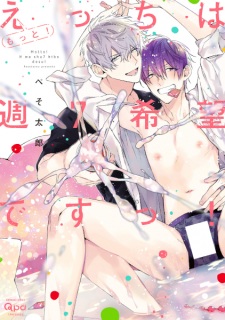
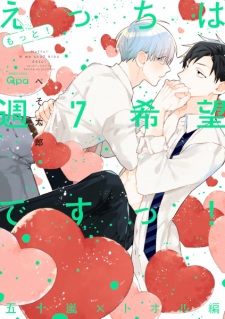
"Ecchi wa Shuu-7 Kibou desu!" (Sex 7 Times a Week, Please!) by Pesotarou is a BL manga, a standout choice for fans of high-heat, high-comedy romance. Aoi is a sex toy producer employee with a major problem: he is a massive slut with a bottomless libido. His boyfriends constantly dump him because they simply cannot keep up with his demand for daily intimacy. After another devastating breakup, Aoi gets wasted at a bar, opens a dating app to find a quick fix for his broken heart, and blacks out. Enter Iori, a seemingly innocent university student working as a waiter at the bar. When Iori tries to wake him up, a severely confused Aoi mistakes him for his app match and invites him to bed. Cut to the next morning: Aoi wakes up sore, thoroughly satisfied, and surrounded by a mountain of used condoms. Instead of a one-night stand, Aoi might have accidentally stumbled into the "non-stop cumming like crazy" relationship of his dreams. The Uke (Aoi) is incredibly refreshing as a protagonist. Instead of the typical coy, hesitant BL lead, he is unapologetic about his high sex drive. His career in the adult toy industry adds a fun, shameless layer to his character. You can't help but root for him to find someone who can finally match his energy. The Seme (Iori) plays the perfect foil. He starts off looking like a polite, harmless college student, but behind closed doors, he transforms into an absolute beast with endless stamina. The contrast between his everyday demeanor and his bedroom persona is top-tier. As the title implies, this manga does not skimp on the smut. Because the premise is built entirely around Aoi’s insatiable libido, the intimate scenes are frequent, creative, and incredibly high-heat. Pesotarou delivers on the "non-stop" promise, making the physical chemistry between the leads intense and highly explicit right from Chapter 1. Despite the heavy focus on ecchi content, the manga maintains a lighthearted, comedic tone. Aoi’s internal monologues and his dramatic reactions to his own horniness provide plenty of laugh-out-loud moments. Pesotarou’s art style is clean, expressive, and excellent at conveying both the chaotic comedic panels and the highly detailed, steamy sequences. "Ecchi wa Shuu-7 Kibou desu!" is an absolute blast for readers who love high-libido characters, age-gap dynamics (working adult x college student), and an abundance of explicit content without unnecessary angst. It takes a chaotic, alcohol-induced misunderstanding and turns it into a hilariously passionate match made in heaven. Recommended for fans of: Enthusiastic consent and sexually liberated protagonists. The "looks like a puppy, acts like a wolf" seme trope. Fast-paced plots with minimal drama and maximum spice.
reviews_and_ramblings: (Default)
[personal profile] reviews_and_ramblings
 

In a world where the secondary sexes of Dom and Sub exist...

Office worker Shino is aware that he doesn't even make the cut for the lowest tier of the Sub population, which wrecks his confidence and makes it hard for him to find a partner.
One day, he happens to run into Triple S-tier Dom and super hot model Aoha, whose mesmerizing gaze causes Shino to faint right on the spot.
The two test out their physical chemistry strictly as a means to take care of their health, and Aoha's commands resonate throughout Shino's entire body.
After a wild night where they both lose themselves to pleasure, they decide to continue their arrangement...
Perhaps love really can blossom from dominating and being dominated...

My Rate: 7 (www.ebookrenta.com/renta/sc/frm/item/148843)

Kitahala Lyee’s Brat Tamer / King tackles the deeply psychological and highly structured world of the Dom/Sub universe (a popular subgenre in BL manga similar to the Omegaverse, focusing on biological dynamics of control, submission, and psychological pairing). What makes Shino an interesting protagonist right from the jump is his specific brand of insecurity. In Dom/Subverse stories, being a "low-tier Sub" isn't just a matter of social standing—it often translates to physical and emotional distress. Subs in these universes experience a biological need for "Commanding" and care from a Dom to regulate their health and avoid physical crashes. Because Shino feels he doesn't measure up to standard expectations, he’s isolated himself, making his vulnerability highly relatable. Enter Aoha, who is the literal blueprint of the genre’s peak fantasy: a Triple S-tier Dom. The "fainting upon meeting" trope serves as a classic narrative shorthand to show just how overwhelming and absolute the biological compatibility is between them. Despite the title and Shino's low confidence, the dynamic relies on the fact that an elite Dom like Aoha finds exactly what he needs in someone who thinks they are "less than." Aoha’s commanding nature acts as a anchor for Shino’s chaotic insecurity. Kitahala Lyee is known for sharp, highly expressive character designs. For a story reliant on "mesmerizing gazes" and intense physical reactions, the artwork successfully carries the heavy, intoxicating atmosphere required for the genre's "smut" elements. While it starts with a wild, instinct-driven night where they lose control, the narrative shifts into a slow-burn realization. The story transitions from raw biological compulsion into actual emotional intimacy. If you enjoy high-friction romance where biological instincts force two vastly different people into the same orbit, Brat Tamer / King hits all the right notes. It delivers the intense, heavy control-and-comfort dynamics that fans of the Dom/Subverse look for, while giving the protagonist enough emotional depth to make you root for his confidence boost.
reviews_and_ramblings: (Default)
[personal profile] reviews_and_ramblings
 

"Today I'm going to have sex again. With my crush's younger brother."

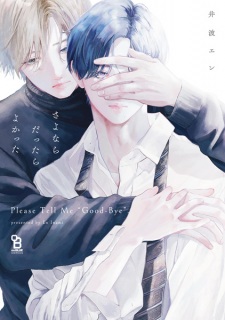
Keigo, a former aspiring novelist, has long had a crush on his childhood friend, Ryuuji. Unable to forget a joke that Ryuuji made in the past, he even developed a fetish for wearing black tights. The only person who knows both "secrets" is Saku, an art student aspiring to be a cameraman—who is Ryuuji's younger brother. To help comfort Keigo's bottled-up feelings, Saku calls himself "Ryuuji" and has sex with Keigo as a substitute for him. "I want you to write a novel" being the reason Saku has sex with him, Keigo can't seem to determine what his true intentions are...

My Rate: 7

A poignant, psychological exploration of unrequited love, identity substitution, and the blurry lines between artistic inspiration and emotional codependency. On its surface, Please Tell Me "Good-Bye" presents a highly unconventional and somewhat taboo premise: Keigo, paralyzed by his unspoken love for his childhood friend Ryuuji, finds an outlet through Ryuuji's younger brother, Saku. What elevates this manga above standard BL fare is how En Inami uses a highly specific fetish—Keigo’s fixation on black tights, born from a past joke made by his crush—as a manifestation of his inability to let go of the past. It’s not just about the physical act; it’s about a grief-like longing for a reality Keigo cannot have. The core dynamic between Keigo and Saku is fascinatingly twisted yet deeply empathetic: Keigo is a beautifully tragic protagonist. A failed novelist who has literalized his emotional stagnation, he allows himself to be consumed by a fantasy just to feel a shred of connection to Ryuuji. Saku is the ultimate enigma. By donning his brother's identity during intimacy, he plays the role of both savior and enabler. His motivation—demanding that Keigo write a novel in exchange for this arrangement—adds a brilliant, meta-layer to the story. Is Saku an artist using Keigo as a muse, or is this a deeply masked, perhaps resentful, form of love for a man obsessed with his older brother? The manga doesn't shy away from the unsettling nature of identity substitution. The moments where Saku calls himself "Ryuuji" are laced with a sharp, heavy angst that will make your heart ache. En Inami’s artwork perfectly mirrors the melancholy tone of the narrative. The contrast between Keigo's internal despair and Saku's analytical, cameraman-like gaze creates a tangible tension. The depiction of the fetish elements is handled with a mature, sensual, yet slightly somber aesthetic, emphasizing the psychological weight over simple fanservice. Please Tell Me "Good-Bye" is not a lighthearted romantic comedy; it is a slow-burn, emotionally messy character study. It brilliantly captures how love can warp into obsession and how art can become intertwined with trauma. If you enjoy BL with heavy psychological undertones, complex power dynamics, and a healthy dose of angst (similar to works by Harada or Asumiko Nakamura), this volume is an absolute must-read. It leaves you questioning the true intentions of its characters until the very last page.
reviews_and_ramblings: (Default)
[personal profile] reviews_and_ramblings
 

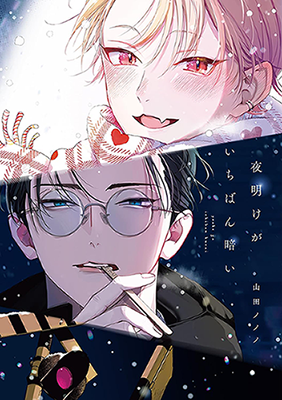
Takaya, a struggling new host, forgets his keys and drunkenly falls asleep in front of his house when he is saved by Saito, a novelist who lives in the same apartment. Takaya is increasingly drawn to the mature and kind Saito, but...!?

A novelist stuck in the past x a struggling new host, a quiet and vivid story of dawn.

My Rate: 7

"Yoake ga Ichiban Kurai" (The Darkest Hour is Just Before the Dawn) is a BL manga by Nonono Yamada. Nonono Yamada is well-known in the BL world for delivering stories with rich emotional weight, complex character psychology, and a distinct sense of melancholy. Yoake ga Ichiban Kurai is no exception. It takes a premise that could easily lean into standard romance tropes and elevates it into a poignant, slow-burn character study about healing and mutual salvation. The story brings together two characters who are at completely different, yet equally stagnant, points in their lives: Takaya, a struggling, rookie host who is overwhelmed by the harsh realities of his job. He is vulnerable, physically and emotionally exhausted, and seeking a anchor. Saito, a mature, reserved novelist who lives in the same apartment building. While he appears stable and kind on the surface, he is deeply "stuck in the past," harboring emotional baggage that keeps him isolated. When a drunken, locked-out Takaya collapses outside their building, Saito’s decision to take him in sets off a quiet shift in both of their lives. The title translates to "The Darkest Hour is Just Before the Dawn," which perfectly encapsulates the narrative arc. Both characters are living in their own personal "night." Yamada masterfully paces the story so that their romance doesn't instantly cure their problems; instead, their connection acts as the first, fragile light of dawn breaking through their darkness. The pairing of a chaotic, raw rookie host and a composed, intellectual novelist creates a beautiful friction. Takaya’s earnest vulnerability gradually chips away at Saito’s guarded exterior, while Saito’s mature kindness provides the safety net Takaya desperately needs. Yamada’s art style excels at capturing expressions of subtle longing, weariness, and sudden warmth. The panel layouts and pacing feel cinematic and deliberate, leaning heavily into a "quiet and vivid" atmosphere where what isn't said is often just as important as the dialogue. This is not a fluffy, high-energy romantic comedy. It deals with heavy themes, including the grueling nature of the nightlife industry, emotional trauma, and grief. While the story features a healing romance, the journey to get there involves navigating the characters' deeply ingrained insecurities and past hurts. It is a mature BL that respects the emotional baggage of its characters rather than brushing it aside for quick fanservice. Yoake ga Ichiban Kurai is a standout volume for readers who love hurt/comfort tropes, age-gaps with a maturity balance, and deeply emotional narratives. Nonono Yamada successfully delivers a grounded, beautiful story about two people finding the courage to move forward together. If you enjoy BL manga that leaves you with a lingering, bittersweet warmth and a sense of hope, this is a must-read.

reviews_and_ramblings: (Default)
[personal profile] reviews_and_ramblings
 

"When you can't forget someone, don't you think alcohol and sex are the best remedies?"
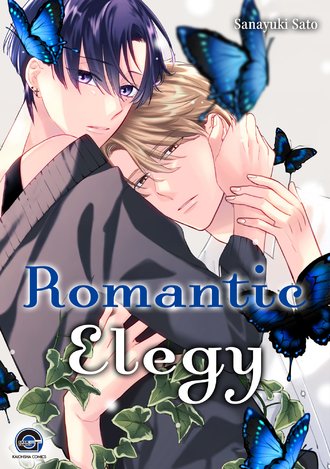
Asuma met his soulmate in college, but for the past ten years, he's been heartbroken and unable to fall in love again. Now a doctor, his lingering feelings refuse to fade. After discovering that his soulmate has had a child, Asuma drowns his sorrows in alcohol. That's when Homare, a stranger resembling his soulmate, approaches him. Caught up in his heartbreak and drunkenness, they spend the night together. The next day, Asuma is shocked to run into Homare at the hospital cafe! Recently dumped by his alpha ex-boyfriend, Homare is heartbroken himself. He suddenly asks Asuma, "Why don't we become friends with benefits?" As they seek comfort in each other, can their relationship evolve into something deeper, or are they destined to remain each other's emotional bandages?

My Rate: 7 (mangaplaza.com/title/0303010414/)

Romantic Elegy by Sanayuki Sato is a poignant, emotionally charged Boys' Love (BL) manga that subverts classic Omegaverse tropes. Instead of focusing on an immediate, fated insta-love, the story dives deep into the messy, painful aftermath of broken hearts and the complicated nature of using someone else to heal. With its mature tone, medical backdrop, and heavy focus on emotional vulnerability, this manga offers a grounded look at two people trying to rebuild themselves from the ashes of past relationships. In most Omegaverse stories, finding a soulmate is the ultimate happy ending. Romantic Elegy flips this on its head. Asuma’s tragedy is that he found his fated mate ten years ago, but it didn't last. Now a successful doctor, he is functionally paralyzed by his past. The revelation that his soulmate has moved on and had a child serves as the catalyst for his rock-bottom moment, highlighting the toxic grip that the "fated" concept can have on a person's life. Enter Homare—a stranger who bears a striking resemblance to Asuma’s lost love and is nursing his own fresh wounds after being dumped by an Alpha ex. When they enter a Friends with Benefits (FWB) agreement, the emotional stakes are incredibly high: Asuma is dangerously close to using Homare as a ghost of his past. Homare is desperately looking for validation and comfort to fill the void left by his ex. The transition from a drunken one-night stand to running into each other at the hospital cafe adds a great layer of tension. The professional setting of the hospital contrasts beautifully with the raw, chaotic intimacy of their private arrangement, forcing them to confront their feelings rather than running away. Sanayuki Sato excels at portraying grief and heartbreak. The characters feel deeply human; they make selfish decisions, they look for easy ways out of pain, and they are incredibly vulnerable with one another. While the physical relationship starts immediately, the emotional romance is a cautious slow-burn. The core tension relies on a compelling question: Can a relationship built on being "rebounds" ever become genuine, or are they just delaying the inevitable? Sato’s artwork perfectly captures the melancholic atmosphere of the story. The character designs are expressive, effectively conveying the exhaustion of heartbreak and the subtle shifts in intimacy between Asuma and Homare. Because the story deals heavily with rebounds and using someone to forget an ex, readers who dislike the "substitute lover" trope might find the initial chapters emotionally frustrating. However, the narrative handles this with a lot of self-awareness—both characters know they are being reckless, which makes their eventual growth all the more satisfying. Romantic Elegy is a must-read for BL fans who prefer high-emotion angst over fluffy romance. It is a mature, beautifully drawn exploration of how to love again when your heart has already been completely shattered. Sanayuki Sato successfully proves that sometimes, the most romantic thing isn't finding your "fated" partner—it's actively choosing to heal and love someone else. Best Suited For fans of angsty Omegaverse, medical backdrops, mature emotional conflict, and the "healing from heartbreak" trope.
reviews_and_ramblings: (Default)
[personal profile] reviews_and_ramblings
 

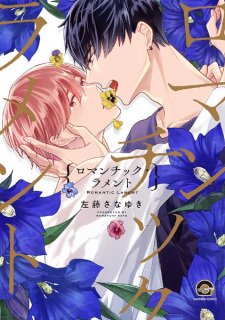
In a world where people can be alphas, betas, or omegas, Asahi doesn't want to be with an alpha. But one drunken night, he stumbles into a one-night stand with an alpha who looks just like his ex. Of course, Asahi runs off the morning after—but what can he do when familiar-faced Akiomi asks him to be his pretend boyfriend?

My Rate: 8

If you are a fan of the Omegaverse genre but find yourself a bit tired of the typical "predatory Alpha meets helpless Omega" dynamic, Romantic Lament offers a refreshing, emotionally grounded spin on the trope. Sanayuki Satou delivers a story that balances classic BL drama with genuine character growth. Asahi is an Omega who has sworn off Alphas after a painful past relationship. But after drowning his sorrows in alcohol one night, he ends up having a passionate one-night stand with Akiomi—an Alpha who bears a striking resemblance to Asahi’s ex. Mortified, Asahi flees the next morning, hoping to put the mistake behind him. Fate, however, has other plans. Akiomi tracks him down, not to demand a mate, but with a bizarre proposition: he needs Asahi to act as his fake boyfriend. While it features the classic sub-genders, the story focuses heavily on the psychological and emotional baggage of the characters rather than just biological instincts. The classic "forced proximity" setup that inevitably forces both characters to confront their real feelings. Akiomi’s resemblance to Asahi’s ex serves as a catalyst for Asahi to face his lingering heartbreak and learned biases against Alphas. Asahi’s reluctance to trust Alphas feels completely justified rather than just contrived drama. His defensive walls are high, making his gradual vulnerability feel earned and deeply satisfying. Akiomi is a standout character. Despite looking like the ex who hurt Asahi, his personality is entirely different. He respects Asahi's boundaries, and the "fake boyfriend" setup allows him to show his true, supportive nature without forcing a bond. Sanayuki Satou’s artwork is expressive and polished. The character designs are distinct, and the emotional beats—from comedic panic to tender, intimate moments—are captured beautifully. Romantic Lament takes a chaotic premise (a drunken one-night stand with an ex's lookalike plus fake dating) and handles it with surprising maturity. It’s a heartfelt, slightly angsty, but ultimately sweet romance about moving past old hurts and learning to trust again. Recommended for fans of Omegaverse stories who prefer emotional depth, fake-dating shenanigans, and Alphas who actually know the meaning of respect.
reviews_and_ramblings: (Default)
[personal profile] reviews_and_ramblings
 

Kitazono Haruhisa has always been popular with the ladies! But then underclassman Io appears, and all the girls including Haru's girlfriend leave him to fawn over Io. An annoyance at first, Io is soon smitten with Haru thanks to a certain incident. He's good-looking enough to get more girls than Haru, but this dang pretty boy Io just trails after Haru like a loyal pet and gazes at him so passionately... That's nothing to feel good about!! These past ten years, Haru has let Io's affection go to his head, but now...?

My Rate: 7 (mangaplaza.com/title/0303000017/)

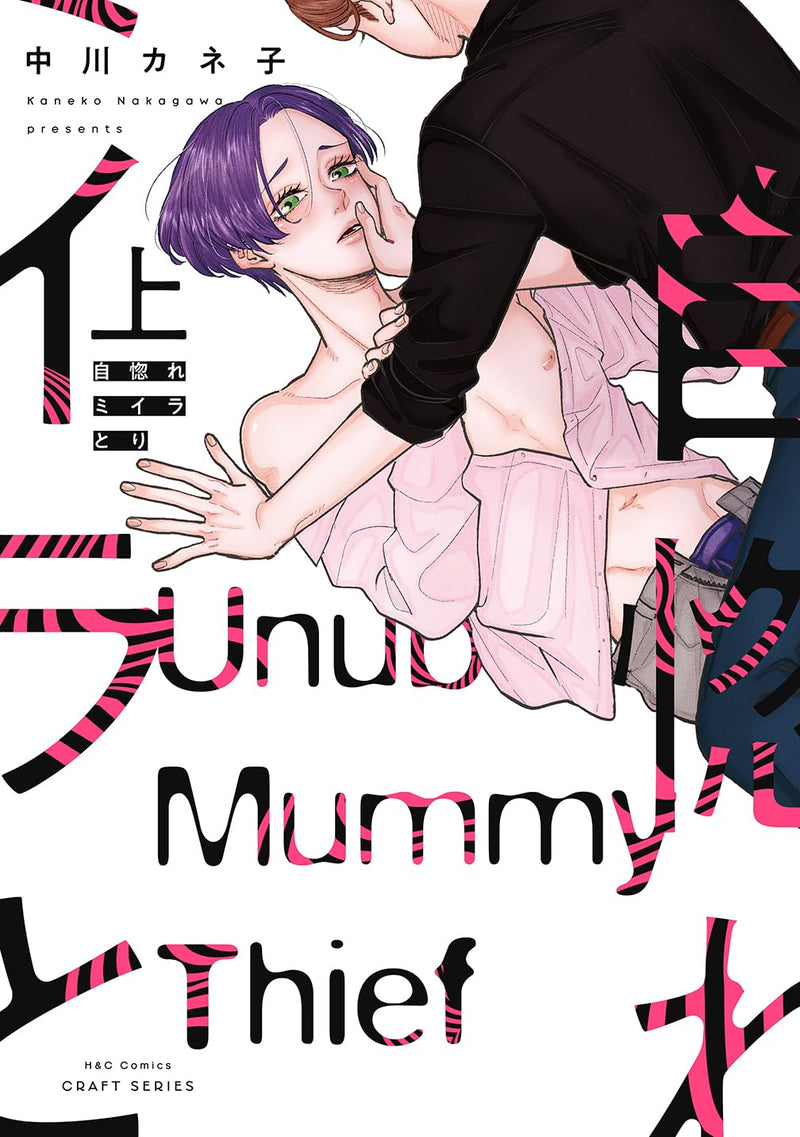
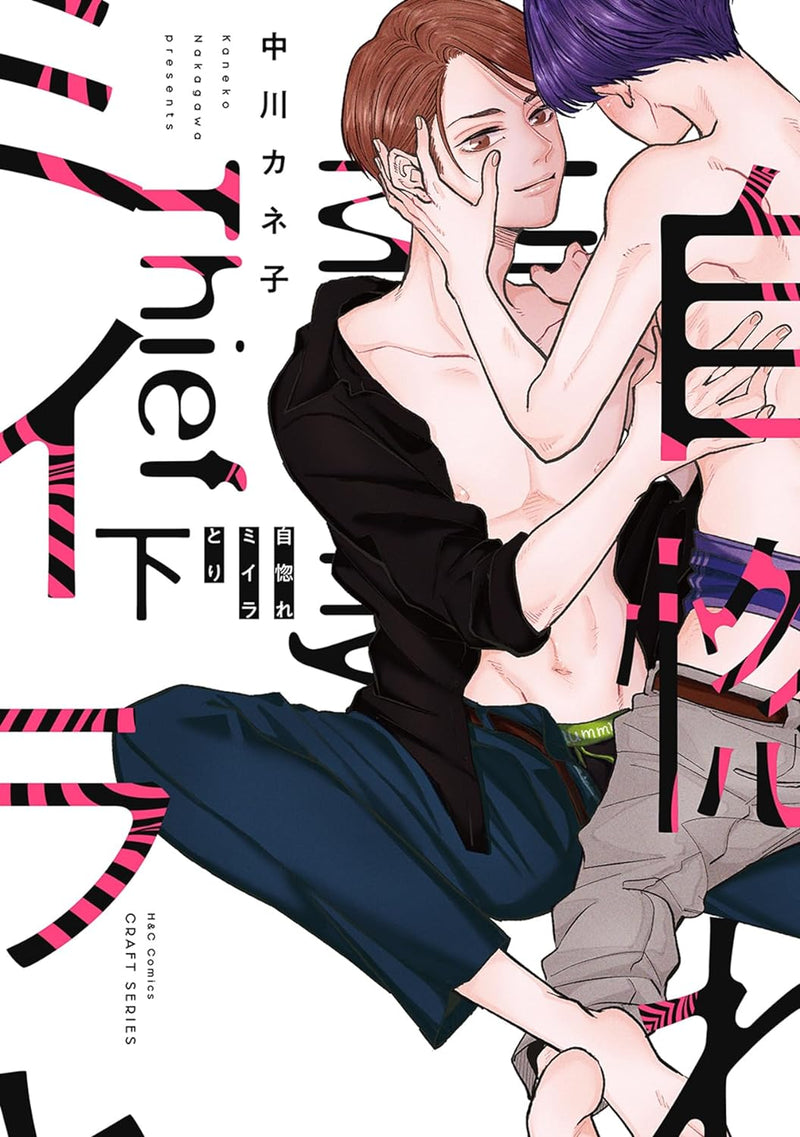
Egotists in Glass Houses by Nakagawa Kaneko is a fun, lighthearted Boys' Love (BL) manga that leans heavily into comedy, mutual obsession, and the classic "oblivious straight guy gets completely rewired by a pretty boy underclassman" trope. The heart of the story relies entirely on the entertaining friction between Haruhisa (Haru) and Io. Haruhisa starts out as a typical, somewhat shallow guy who measures his self-worth by his popularity with women. When Io unintentionally steals his spotlight, Haru's ego takes a massive hit. However, because he is fundamentally dense, he completely misinterprets Io's intense, loyal-dog devotion for the last ten years, using it as a massive ego boost. Io is the ultimate "loyal pet" archetype but with the face of an absolute idol. He is devastatingly attractive, completely unbothered by other people, and single-mindedly fixated on Haru. The humor comes from the fact that Haru has let this passionate gaze "go to his head" for a decade without realizing that Io’s feelings are entirely romantic. When the realization finally hits, the status quo shatters spectacularly. The series is structured into episodic, bite-sized chapters that track the slow breakdown of Haru’s defenses. Kaneko does a great job balancing the 10-year time jump dynamic—showing how deeply entrenched they are in each other's daily lives before the romantic tension finally boils over. Around Chapter 11, the main story shifts gears into a spin-off focusing on Amamiya (the rival character who tries to slide between Haru and Io) and a new character named Komatora. This keeps the universe fresh if you enjoy the author's comedic style. Haru trying to maintain his "alpha male" status while being utterly pampered and pursued by a prettier guy is peak comedy. If you easily get frustrated by characters who take forever to realize someone is in love with them, Haru’s 10-year obliviousness might test your patience. Io’s contrast between being a cold handsome guy to the world and a golden retriever around Haru is incredibly endearing. It relies on very established BL tropes, so don't expect a groundbreaking re-invention of the genre. If you love fluffy, slightly chaotic romantic comedies where the submissive-acting character is actually the one driving the relationship forward, Egotists in Glass Houses is a highly entertaining, low-stress read. It’s perfect for fans of the "jungkook-coded golden retriever attack" dynamic mixed with workplace/post-school slice-of-life comedy.

Profile

baskfell_records: One of my favorite animals🐂 (Default)
baskfell_records

May 2026

S M T W T F S
     12
3456789
101112131415 16
17 181920212223
24252627282930
31      

Most Popular Tags

Style Credit

Expand Cut Tags

No cut tags
Page generated 24 May 2026 18:37
Powered by Dreamwidth Studios